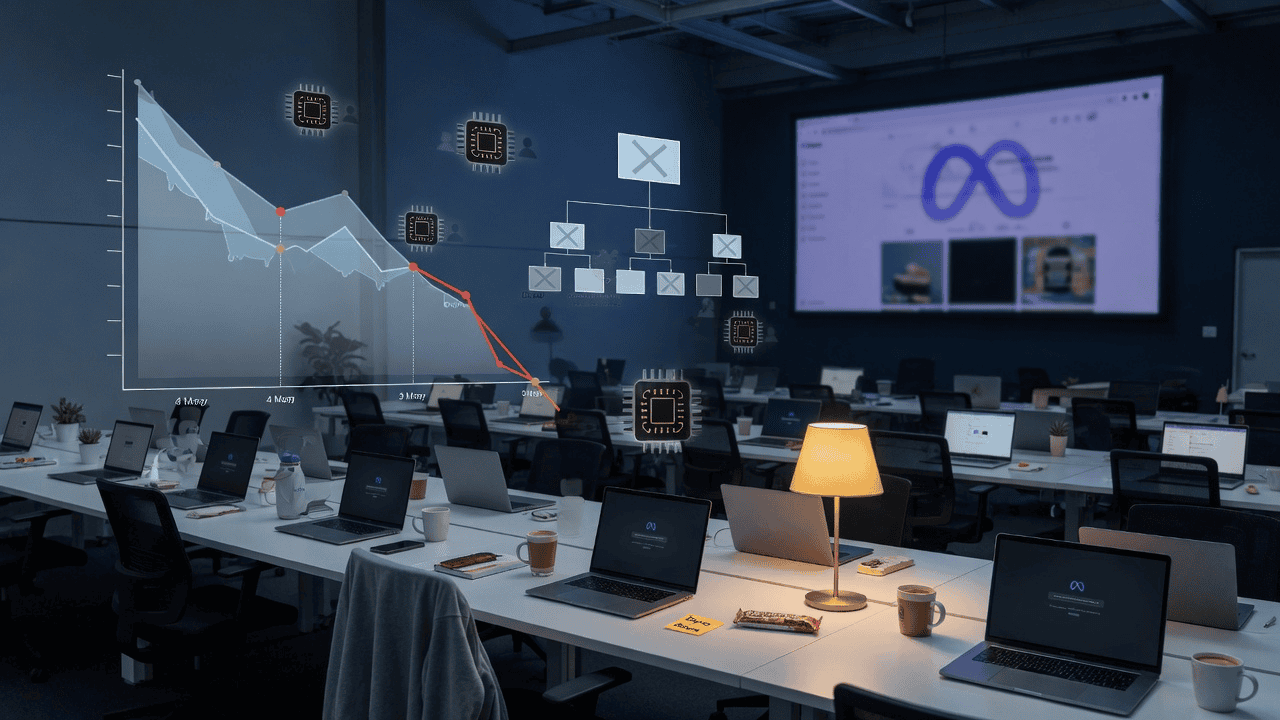
“The Metaverse is a rapidly expanding digital universe that has captured the attention of technology enthusiasts and investors alike. It promises to revolutionize how we interact, work, and play.”
The Metaverse promises to revolutionize the way we interact with each other, work, and play. Companies like Facebook (Meta), Microsoft, and Roblox have poured billions of dollars into building and expanding their Metaverse career growth & technology offerings. However, recent restructuring events have raised significant concerns regarding the real-world impact of Meta Layoffs on the Metaverse.
On March 10, 2023, Meta (formerly known as Facebook) announced a major round of workforce downsizing. The news sent shockwaves throughout the tech industry. Meta has been at the absolute forefront of developing virtual office spaces complete with 3D avatars, digital whiteboards, and spatial audio conferencing. With such significant layoffs, industry analysts and developers alike are questioning what this means for the roadmap of spatial computing.
These restructuring decisions were not isolated to Meta. Across 2022 and 2023, Microsoft announced workforce adjustments affecting its HoloLens and Mixed Reality teams, Zynga reduced staff by 18%, and Amazon adjusted headcount across cloud and gaming divisions.
Impact of Meta Layoffs on Metaverse May Include:
1. Loss of Top Engineering Talent
Building virtual worlds requires specialized software engineers, 3D artists, graphics pipeline experts, and spatial UI designers. Large-scale layoffs risk dispersing highly specialized talent pools, requiring remaining teams to restructure project scope and timelines.
2. Erosion of Specialized Domain Expertise
Emerging technologies require subject matter experts who understand cutting-edge VR hardware, haptics, and user telemetry. Losing key architects can force organizations to spend valuable quarters re-training replacement personnel.
3. Loss of Market Momentum
Speed and agility are critical when establishing platform dominance. Workforce reductions can cause product delays, giving agile competitors or open-source web-XR initiatives space to gain market share.
4. Workforce Morale & Retention Dynamics
Uncertainty creates friction within remaining R&D teams. Maintaining employee motivation and focus requires strong leadership vision and clear execution milestones.
Long-Term Resilience & Industry Outlook
Despite these shifts, workforce recalibration is a common phase in major technology cycles. Historically, companies like Microsoft experienced major restructurings in 2016 before doubling down on cloud leadership. The foundational concept of spatial computing and immersive digital environments remains compelling, and emerging enterprise applications in healthcare, manufacturing simulation, and technical training continue to expand.
Looking for Senior AR/VR & Cloud Talent?
DigitalXNode provides pre-vetted spatial computing engineers, Unity/Unreal developers, and cloud infrastructure specialists for global enterprises.